
“Jack just told everybody that I grew up poor,” my best friend’s voice exclaims through the phone. Jack is her boyfriend, and they’re at one of his college friend’s weddings.
We’re both silent for a few beats, except for my gasp.
“What the fuck,” is all I finally manage.
“Yeah. I’m the DD tonight, he got super drunk, and as one of his friends was talking about how he flew here on his private jet, Jack thought it was a perfect time to say I grew up poor.”
“Private jet?” is all I can manage.
“Yeah, I didn’t know they were rich like that, but this one guy is I guess,” she responds.
“Also, why is Jack making it sound like we didn’t have enough food growing up or something?” I say “we” because Macie and I have been best friends since we were four years old. We lived across the street from each other throughout our whole childhood and into high school.
“Exactly. Saying I grew up poor makes it sound really bad. I’m so pissed, I just want to leave him here.”
“Macie, do it, I’m so serious. Drive yourself back to the Airbnb and let him figure out how to get home.”
“Ugh, I can’t, I would feel too bad,” she groans.
“Where are you right now?” I ask.
“In a bathroom stall.” I picture her sitting there in the pink dress we shopped for the weekend before, her head resting in one hand and the other hand holding her phone, her blonde hair flopped over into her lap, trying to calm herself down.
“I think I need to go back to the party,” she continues. “Okay, call me tomorrow if you want to update me, I love you.”
“I will, thanks for listening. Sorry,” she responds. She says sorry too much. “Bye, I love and miss you so much,” she continues.
“Don’t say sorry. I miss you too, so much.”
I let my phone drop out of my hand onto the bed next to me, and I stare up at the ceiling. I moved to Vermont about a year ago, away from my home city where Macie still lives, to go to grad school. Every time she calls me upset, or I call her upset, I consider driving the 12 hours right to her doorstep.
Jack’s words are haunting me. For some reason, I keep coming back to the inherent hunger that’s implied in the word “poor,” the insinuation that we grew up starving. Macie and I had smaller houses than the McMansions most of our other friends lived in growing up, but they were cozy houses, we were happy, and we were definitely fed. I think about the jambalaya her dad, who’s from Louisiana, used to make for us. A group of our friends would always gather at her house on Halloween, setting up a bonfire and a projector in the backyard to watch scary movies all night, steaming bowls of jambalaya in our hands. The juicy sausage and shrimp, the spice and tang of it.
Years later, during junior year of college, Macie and I moved in together like we always dreamed of. I was really sick one day, and she decided to spend the whole day making me jambalaya. We watched four movies back to back, pausing only so that she could check on the pot on the stove. Some of the roux landed on the burner, and we laughed as we put the flames out. The jambalaya tasted just like her dad’s used to.
Jack’s right about one thing, which is that money was enough of a problem for us that both sets of our parents fought about it throughout our childhood. Hers would go into the yard to fight so the kids couldn’t hear, but then the whole neighborhood did. My parents would fight in the dead of night, their screams freezing me in my bed.
The day my parents told me they were getting divorced, I ran right over to Macie’s house and into her arms. Her parents made spaghetti with meatballs that night, which Macie and her little brother called “pasquetti,” a pronunciation that comforted me. After dinner we raided her pantry for snacks, and watched YouTube conspiracy videos all night until we fell asleep. She always had the best snacks.
It was that night, falling asleep in a sea of cool ranch Dorito crumbs with my best friend’s arm draped over my shoulder, that I realized everything would be okay as long as I had her nearby. And in this way, in that moment, she became my home.
When I picture our childhood together, I don’t think about money. When I picture my childhood with Macie, I think about catching frogs in our backyards in the sweltering Virginia summer, organic popsicle juice dripping down our arms. I think about my mom making us cinnamon sugar toast, a true delicacy back then, which I found out later in my life was considered to be a classic “poor” food. Toast, butter, cinnamon, sugar. A favorite of ours and our little siblings.
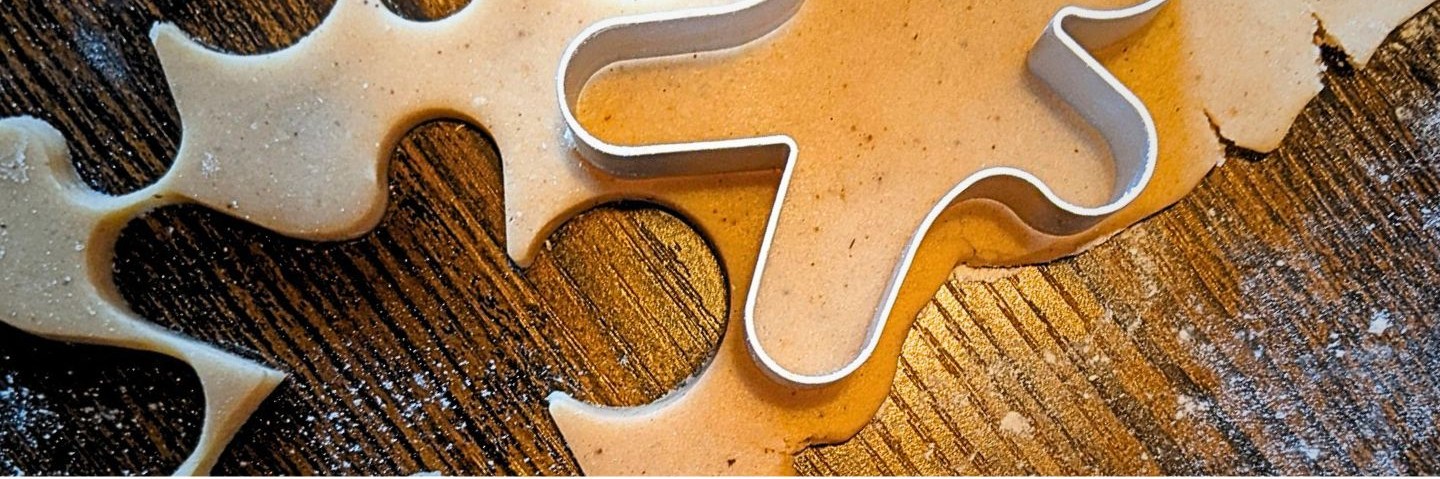
I think about Macie walking across the street wrapped in a blanket, clutching a bowl of soup to heat up in our microwave. She wanted to eat her dad’s food, but in my house, with me. I think of pressing cookie cutters into gingerbread dough, endless bowls of popcorn at sleepovers, and biking to the grocery store for peach gummies and root beer. I try to picture the food at any of my other friend’s houses growing up, and I can’t, not one single dish. I guess what I’m trying to say is that maybe we grew up poor compared to other kids at school, compared to her boyfriend and his friends, but it never felt like it. We were never lacking love.
Cosima Pellis grew up in Richmond, Virginia, and is now living in Norwich, Vermont. This fall will mark the beginning of her second year in the MALS program at Dartmouth. She edits the program's literary journal, Clamantis, as a Board Member, and she is also a Reader for the Harvard Review. Her poems have appeared in Clamantis, the Aubade, and samfiftyfour literary. This is her first ever nonfiction submission.
Comments are closed.