
by Wende Crow
There was a time when I wanted to die. I had wanted to before but not quite with the same intensity. Rather than make a decision, I stopped eating and disappeared. By disappear I mean I quit my job and moved to mother’s house in the middle of nowhere surrounded by cornfields and Baptist churches. And what did I want, other than nothing.
Choosing not to eat must be hidden from others, so I ate breakfast and dinner when she was at home. I left the house to buy cigarettes and, when forced to, to go to one of the Baptist churches. The preacher, a former cop who had devoured sin until he slammed his car and his body into a tree, walked with a limp and talked a lot more about hell than he did about heaven. Mighta gone there, he said over and over. I would sit there and say hello when others said hello to me, then we would go home. Sundays, I had to eat three meals to hide the dying or wanting to die.
One parishioner was a retired English teacher, Miss Ruth. She had the fragilest handshake and I had to lean in really close to her to hear what she was saying. I didn’t like getting close to anyone because I knew they would smell me: ketones. The body eating itself and releasing a bitter odor. Better not to stand too close or talk. She said how wonderful that you are an English teacher. Was. I was an English teacher Miss Ruth. Well what are you doing now? I don’t know, I said. I don’t know.
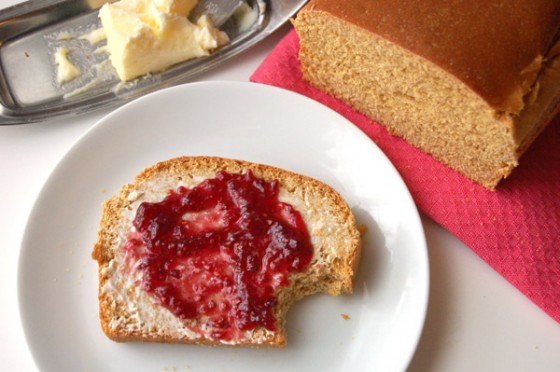
The next Sunday she placed a small wrapped loaf of her sweet sourdough bread in my hands when she came around during welcome. I’m sorry Miss Ruth? I said. It’s really something with a little butter and jam, she said. My mother and I ate two slices each with lunch. Then I ate another.
Your sourdough bread sure is good, Miss Ruth. How do you make it? A polite question. Ruth was kind and I wanted to be kind. And the next week she brought another wrapped loaf and a mason jar half full of a frothy paste. It’s the starter. You have to feed it twice a week to keep it alive. With this you start the bread. Thank you, Miss Ruth. See you next Sunday. Being polite.
We had to keep being polite. We bought instant mashed potatoes and wheat flour and sugar. One morning I got up after the fifth cup of coffee and the tenth cigarette and washed my hands. One cup of flour, three tablespoons of instant mashed potatoes, a cup of sugar. Let sit for eight hours. This will not rise. Then the starter had to be used. You have to feed the starter, but you also have to work some of it into three loaves of bread. It must be fed and then eaten.
One cup of starter, half a cup of sugar and half a cup of corn oil, six cups of flour. Form into a ball, cover with foil, let rise for eight hours. The next morning, kneed and kneed and kneed, divide into three loaves, let rise another four. Bake thirty minutes at 350. My senses were not yet dead and there is no escaping the smell of bread rubbed with butter. I had to do this, to smell this again and again.
We didn’t know what to do with so much bread. Some went to my aunt’s house, some to my mother’s office, and much was eaten for breakfast every morning with a little butter and jam. One loaf went to the church, to Miss Ruth’s fragile hands. I fed it, Miss Ruth, and then we ate it. I kept it alive. I know you did darlin’. I want to eat this bread, Miss Ruth. I know darlin’.
Wende Crow’s poems and stories have appeared or are forthcoming in Ploughshares, LIT, New Haven Review, The Bakery, and other journals. She teaches English as a Second Language in Atlanta.
2 Comments
This is beautiful.
Very, very beautiful. Sutile. Profound.
My mom bakes this bread. We call it The Bread of Christ.