
New Orleans, 1990
Callum ought to know which fork to use. That’s the first thing that crossed his mind when the waiters placed the menus on the crisp linen tablecloths. In their penguin uniform, they gave him toothy smiles. Then, they pulled out two plush red seats beside him, one for his girlfriend of a year Annabelle, and one for her father, a man Callum met only an hour ago.
Annabelle adjusted the locket dangling in the V of pale skin exposed by her shirt, the one Callum bought her for her twenty-second birthday. Annabelle glanced up at him, her bright eyes darting nervously about the place.
“It’s not too much, is it?” she whispered nervously, waving at the opulent restaurant about them. The dining room was as lush and ornate as a French castle. Black and white tiles lined the floor. Baroque murals of women in dresses that resembled macarons danced along the walls. Outside, there was a courtyard with fluffy ferns and a small fountain. Callum looked down at the marble floors, wondering if anyone had ever vomited on these tiles. The excess of the place suggested so.
He had worked in a spot like this during his undergraduate degree in London, when he was fresh off the bus from Wales. The worst behaviour always happened in bars like this. Prettiness masked the debauchery below the surface. People probably stuffed themselves with seafood and drank until they were as wet as the fish they slurped down. The concoction of Sazeracs and shrimp had most certainly resulted in a spill at least once. And the waiters had that dead look in their eyes, like they were waiting for the next wave to hit.
“It’s lovely,” Callum said, squeezing Annabelle’s thin hand. He had been reassuring her all morning that he could handle her WASP-y southern father. In her raspy voice, sweet and thick as honey to him, she had complained about her father’s possible racism. His possible xenophobia. How he might say something to Callum about his contempt for homosexuals, for democrats, for people on welfare. He wasn’t like the people they’d met in New York. Even the assholes on Wall Street that Callum reported to at least donated to charity during the holidays and voted for Dukakis in the election two years ago.
Opposite Callum, Robert Greene, aka Robert Greene the Third, a portly man with a belly like a swollen roast pig and a pink face to match, leaned back in his armchair like a king. He conferred with the waiter, scanning the drinks menu, like he was holding court.
“We’ll have a bottle of the Dom.” He said the champagne’s name lovingly, like a dear old friend. “The Brut from this year or do you prefer the ‘85?” His southern accent boomed across the room, carrying to the tables at the very back of the restaurant so heads turned to find the speaker. He could have put Callum’s boss out of a job. A voice like that would be heard over all the yelling at the stock exchange pit.
“The 1990 is a more developed taste, I would recommend this year’s bottle,” the waiter, a young man with a pimple scarred face, said with overly formal politeness. “Are we celebrating something?” He motioned between Callum and Annabelle. Callum felt his face grow hot and buried his nose in the menu as Robert guffawed.
“Not yet, not yet. My daughter’s been promoted. Marketing co-ordinator at Coca-Cola. Don’t want her locked down yet.” He winked at Annabelle while handing the waiter the drinks menu.
Annabelle could not be more different from her father. She was worldly. She had studied in Europe while completing her literature degree, just because she wanted to learn Italian. She spoke about moving back to the UK with Callum, or teaching English in Thailand, or doing marketing for Doctors Without Borders or whatever that organisation Princess Diana was photographed helping. Annabelle did photograph very well. She had the same puffy blonde hair as Princess Di, so Callum found it easy to picture her tanned limbs crouching over orphaned children or hurt animals.
The champagne arrived in a slender midnight bottle. Robert gave a curt nod of approval and made a show of taking it out of the teenage waiter’s hands and pouring the bottle himself. “How do you like the city, son?” Robert asked Callum as he filled his glass.
“It’s beautiful, a tad hot for me though,” Callum replied, an answer he had prepared on the drive over. New Orleans was muggy, so different from the New York heat Callum had only just become accustomed to. It was oppressive and swampy, like stepping into a vat of hot soup. With a pang of homesickness that he hadn’t experienced since he first moved to the city a year ago, Callum missed the cool Welsh summers. The mist rolling down from the craggy hills, into the marshy fens, the wet grass that made his ankles cold.
Still, New Orleans had a European charm that had Callum thinking about home a lot. Curling iron balconies. Charming shuttered pastel houses. The streets were all cobbled, dusted in a comforting layer of dirt that made the place feel lived in, well-worn, and loved like a shriveled old teddy bear. He could see why Annabelle missed her own home so much.
“You don’t get heat like this back in England,” Robert grinned, calling over a waiter with a fat, veiny hand. On a small stage by the door to the courtyard, a woman began fumbling with a harp almost twice her height. It seemed silly, to Callum, to travel all this way, to the capital of American jazz, only to hear a harpist.
“Daddy,” Annabelle said, making Callum’s skin crawl. Callum hated hearing her call him that on the phone, half naked in his bed, his cum still inside her, calling her father “daddy.”
“Callum’s Welsh, I told you that,” she whined, giving Callum apologetic eyes like a sad puppy, as if to promise that she really had told her father more about him than his foreign name.
“Right, right, Wales. Fan of haggis then, Callum? I’ve had haggis before. Ugly stuff. It’s mostly innards, Annabelle. But I suppose when all you have is sheep you have to find some kind of delicacy in it,” Robert chuckled like a cheeky schoolboy and smoothed his tie over his large belly. He looked like a boiling glass, the kind used in school science labs with a long thin stem and large bulbous base.
“Haggis is Scottish,” Callum said. Robert pouted his lips into a flippant grimace. “But that’s close.” It wasn’t.
Callum gave Robert a strained smile and sipped on his champagne. It was creamy and claggy. Was champagne supposed to taste like this? He swallowed twice to clear the mucusy texture from his mouth. At the table next door, a tween in a white meringue dress was kicking up a fuss.
“Do I have caviar in my braces, Mom?” she whinged. God, these people, Callum grit his teeth. Annabelle liked places like this. The Polo Bar in the city was one of her favourites, but when it came to New Orleans, he was expecting something more real. Dark smoky bars with gumbo bowls, the kind he’d read about in books.
The waiter returned, eager as a lapdog, and asked if they’d decided what to eat. Robert ordered with easy authority, sliding his finger down the menu. “The oysters Rockefeller, you like those right, Annie? I’ll get the lobster, Annie’ll have the sea bass. Cameron?”
Silence seemed to settle over the entire restaurant as three sets of eyes settled on Callum.
“I— um,” he flipped his menu over in a panic, knocking his silverware askew. “The sea bass as well.”
“And three turtle soups.” Robert snapped the red menu shut with a clack. The young waiter complimented him on his choices and slipped away. Callum’s head reeled. He fixed his leftmost fork, a tiny spit of a thing, setting it right so it was back in line with the others.
“Ever had turtle soup before, Cameron?” Robert asked, lacing his large fingers together. Against the white tablecloth, they were bright pink and bulging, like raw meat. “It’s a delicacy here. This place is famous for its turtle soup. They’ve been making it since, what was it Annie, the forties? Annie used to order it all the time as a kid.” Robert reached out a hand, and slid it over Annabelle’s shoulder, a move that landed somewhere between affection and ownership.
“I’m not sure Callum will like it, Daddy,” Annabelle made a point of correcting Robert’s name slip-up. She patted Robert’s arm absentmindedly with her right hand and gripped Callum’s thigh under the table with the other.
He felt like he was in bed with them together.
“Rarebit,” Robert clicked his sausage-fingers at Callum. “Welsh rarebit, that’s a dish. What is that, rabbit stew or something? Ever had rabbit?”
The question left a sour taste in Callum’s mouth.
The image of his childhood pet, a little white fluffy bunny, swam before him. Lumpy, he’d called her. He wasn’t the most imaginative twelve-year-old. God, how he had loved that rabbit. Lumpy was something to live for in a house that was built on bitterness and parents who barely spoke. During those cold Welsh winters, when the grass froze over the fens, Lumpy was a warm living thing who would nuzzle into the crook of Callum’s neck.
Lumpy almost made him a vegetarian. But he wasn’t about to mention that.
“I’m not so adventurous when it comes to food.” Callum dodged the question, squeezing his thighs together so Annabelle’s hand slid off his pant leg.
“You’ll have to change that soon. In your line of business? A trader? It’s not a good look to turn your nose up at other cultures,” Robert said.
“Daddy,” Annabelle said in a warning tone. “You promised you wouldn’t lecture Callum about work.”
“Honey,” Robert droned patronisingly as a plate of cooked oysters was spread out before them. “Callum knows I’m an invaluable asset. When else will he get the chance to talk to a VP who’s also in energy? Right, Callum?” When he grinned, he exposed his fleshy receding gums.
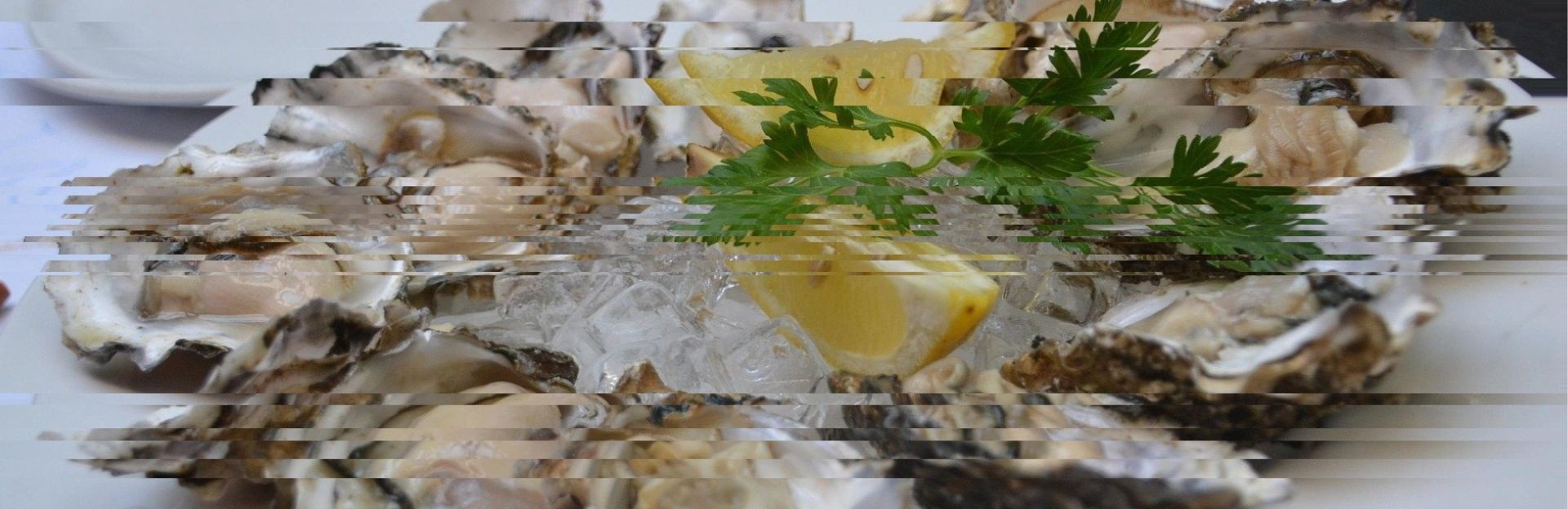
“Yes, sir.” Callum watched as Annabelle picked up the second fork and began gutting an oyster. The oysters were laid open like picked petals. She loves me, he thought, sipping down a first snotty mollusc. She loves me not, he thought. Tipping Tabasco into the next.
It was getting hot now, inside the restaurant, with only flimsy wooden fans spinning circles on the ceiling. Callum started sweating through his pale blue button-up.
“See, people will often test you with food,” Robert spoke while chewing, tiny flecks of spinach flying onto the white tablecloth and staining it with green pinpricks like stars. “They want you to accept them. The Mexicans do it all the time,” he chugged back an oyster like he was taking a shot. “I was at a dinner where the man who braved the hottest pepper got access to the KMZ oil fields and brokered a deal with them. Good rates. Great interest. Who do you think that man was?”
“You, Dad,” Annabelle said in a worn-down tone. This must be an old routine, Callum thought, dabbing oyster slime from the side of his mouth.
“That’s right, honey. Scotch bonnet pepper.” Robert slurped down another oyster. Callum wondered if he even liked the flavour with how quickly he was taking them down. Maybe he only ordered them because that was what men of his caliber were supposed to enjoy. Socially acceptable aphrodisiacs and expensive wine. Maybe he would have preferred a hog roast.
“That darn pepper,” Robert continued, “Almost blew my head off. Hotter than a devil’s bathtub. Fried half my taste buds off, but it was worth it. Those guys respected me after that. All the other Americans were treated as a joke, but not me. Not me.”
There was a silence where Callum could hear the two of them munching, their jaws moving in unison like wheels on a steam train, linked by a metal bar. Left, right. Left, right.
Callum’s brain raced to fill the awkward silence, rising around them like hot air.
“Is that the strangest thing you’ve eaten for work?”
Robert paused his chewing, a light blossoming in his pale blue eyes. He sat with the question for a minute, bobbing his head from side to side as he mulled his thoughts about in his brain. The oysters, now finished, were whisked away by one of the penguin men, by the time Robert answered.
“Top three for sure. Gotta be top three. But the strangest. I wouldn’t say so.” There was something sinister in his tone, a calmness that felt like waves retreating before a tsunami. Robert gave Annabelle an appraising look, chewing on his fat lower lip.
“Ever been to China, Callum?”
“Oh, don’t. I hate this one.” Annabelle squealed, pressing her hands over her ears. The move stretched her plump cheeks. Callum had a brief flash of how she might look at sixty after two facelifts and the obligatory Botox that all her friends’ mothers seemed invested in.
“I can’t say I have,” Callum replied with a cautious tone. He felt like he was walking on a tightrope but was unaware of how far the drop below extended. “But we love Chinese food. We know a few good dim sum spots downtown in New York.” He gave Annabelle a quizzical look. She slammed her hands on the table like a stroppy child.
“Trust me, this is not the same,” she said.
“I was trying to broker a deal with this Chinese company,” Robert began softly, ignoring Annabelle’s protests. “They do things differently in Shanghai. You gotta be careful over there. On your best behaviour, since they aren’t the biggest fans of us Americans. I’d done it all right. Taken the guys out for drinks, boozed them up, and flattered them like they were sorority girls at a bar. They were pretty friendly, I’ll give them that. Still, they’d talk to each other in Mandarin whenever we got into business. I’d have to sit there, smiling, while they mocked me right in my face.” Robert folded his arms, shuffling uncomfortably in his small Victorian dining chair.
“Didn’t matter. I knew I had to play the game. By day three I had them eating out of the palm of my hand. We were ribbing each other, talking politics. I had these guys opening up about their own frustrations with the market, with the company, how hard it was to move up without contacts. It was a done deal. I was sure they’d say yes to my proposal, and open a line of natural gas trade with me.” He swilled his champagne contemplatively.
“Then, on the third night, we’re heading out to dinner. There was this one guy, Wei, who’d always had his guard up a little. He’d laugh, sure, but his smile never reached his eyes. He was more senior than the others and so serious. One of those real company guys who never complains. And was a control freak. I’ve worked with guys like that, ones who don’t want to let loose. Never take more than a few sips of his beer. It’s like they’re afraid because the moment they do, they’ll do something stupid, sleep with someone who’s not their wife, or tell their coworker how they really feel about their office banter. Anyway, he brought another guy to dinner. Quiet as Wei was, always had a severe look on him. They said his name was Pak Nam-chol. I’ll remember it all my life. Said he was Korean. Didn’t specify where.” Robert added darkly. Annabelle slouched down in her chair.
“Anyway, he says there’s been a change of plans. Pak wants to take us to a Korean place. Seems like the guy was also in the business of making a deal with these boys. I want to trade with them. Build some kind of relationship. So I said sure. Couldn’t let them shake me.”
“So we get to this restaurant, in the back end of the Xuhui district. That’s a nice area,” Robert pointed at Callum, “Lots of expats and museums. But this restaurant is somber. Bare bones decor, a few plastic plants and cheap paper table cloths. So we sit down at one of the red tables, and this Pak guy says it’s a North Korean joint, so he’s going to order some local delicacies for us. The waiters come, Pak orders, and they start bringing out the usual dishes. Kimchi. Rice. Stuff I’ve had in Seoul. And the guys keep pushing food onto me. Robert, try this, try that. Whatever,” he waves a hand in the air. “Then, there’s the big finish. The waiters bring out this huge silver platter. It takes two of them to carry the thing. There’s a lobster in the middle of the plate, set on ice, and some wilting lettuce. Its back has already been cracked open, and the white meat is ready for picking. And the guys are all pushing me to try it, saying Robert have some, have some. Wei takes the first piece, and as soon as his chopsticks touch the meat, the black head on the lobster starts twitching. It’s waving its claws like someone’s drugged it. I could see its eyes, spinning around on their antenna, trying to get a look at the people eating it.”
Robert gave an involuntary shudder he tried to pass off as rolling his shoulders. Callum gaped at him.
“It was alive?” He asks in horror.
Robert shrugs. “For a few more minutes, it was.”
“That’s barbaric,” Callum said. He can feel the oysters swirling in his stomach, threatening to reappear on the tablecloth.
“What am I gonna do?” Robert said brightly, shaking off his cloudy disposition. He sipped down more champagne to wash away the bad taste of his story. “I can’t offend the guys. Pak says it’s a delicacy back home, and things have been tense enough since he showed up. I can’t be the rude American looking down my nose at him, so, well, I ate it. And I can’t lie, I’ve never had meat so tender.”
There was a pause.
Annabelle peered at Callum through her fingers, which she had clasped over her face. Then Robert gave a booming laugh that cut through the tension.
“Look at the guy,” he pointed at Callum.“He’s green.”
As if by some divinely cruel joke, the turtle soups arrived at that moment. It surprised him how un-turtley they look. The liquid was steaming, orange with black flecks. He could have been told it was minestrone or black bean soup and believed it.
“It’s horrible, I know,” Annabelle said, squeezing Callum’s bicep sympathetically. “I suppose Dad’s right though. What can you do in that situation?”
“Have you ever tried that? Live animal.”
“God no,” Annabelle looked genuinely offended, pressing her hand to her heart.
“Come on, sweetie,” Robert said. He relished in Callum’s discomfort, taking a sip of his turtle soup, and savouring it. He sucked in his cheeks as he swallowed every ounce of the flavour. “Annabelle sticks to soups. She was partial to shark fin soup when we did our Japan trip last year.”
Annabelle gives Robert a withering stare. Callum flinched away from her.
“Callum, it’s traditional. You can’t ask people to get rid of traditions. That’s actually quite xenophobic.” She picked up her round spoon, like a silver moon on a stick, and dunked it into the turtle soup.
“Shark fin soup is very unethical.”
“Callum,” Annabelle gave him a nasty smile. “You trade oil.”
“That’s different,” Callum spluttered, “It’s not animal cruelty.”
“Oil spills are,” she spat back, sipping her soup pointedly. He hated when she would get like this. It rarely happened that she didn’t get her way. Annabelle was always the one making dinner reservations, suggesting Broadway plays they could see. In fact, when Callum thought back to the few times he had suggested activities, going to a basketball game, a picnic in Central Park, visiting Coney Island and relishing in its kitschiness, Annabelle had skillfully batted the ideas away. She had been busy, promising they would get around to it soon and waited until the idea drifted out of his head. Things always happened exactly as she wanted. The activities were expensive and showy. The kind she could brag to her coworkers about on Mondays.
“I don’t think I can eat this,” Callum moaned, pushing his plate of soup away from him.
“Look,” Robert interjected, “You can’t change the world. Right? So what’s the harm in trying these things while you can? Good people would kill to eat how we eat in America. We’re like medieval kings. And it’s not shark fin, only turtle,” he joked. “You’re not proving anything by not trying it, Callum. Just a spoonful. You’ll change your mind.”
“I’m okay.”
“Don’t be a child, Callum,” Annabelle snapped.
“Just try it,” Robert egged on.
“No,” Callum yelled, pushing the bowl away from him. Red soup slopped over the lip of the porcelain bowl, spilling out like sick towards Robert’s seat. The three of them pushed their chairs out, scraping the wooden legs on the marble tiles. Heads turned in a flurry as soup seeped into the tablecloth, running over the edge of the table. It dripped into small pools by Robert’s feet.
“Oh God, I’m so sorry,” Callum gasped, grabbing his napkin and trying to sop up the soup. Neither Annabelle nor Robert attempted to help. Instead, Annabelle lifted a slender arm and waved down a troupe of waiters. The light trickled in through the windows, illuminating her billowing sleeve in the air. Callum could see through it, right down to her bony arms.
“We need a new table. There was an accident,” she said to the waiter, in the same curt tone Robert used when ordering for them. Authoritative and unapologetic. As commanding as a dictator.
The waiters made a spectacle, wrapping up the soiled cloth like a bloody sheet. They ushered Robert and Annabelle towards the courtyard, promising to clear things up and have a new table ready in a few minutes, as though they were the ones who made the mess. Callum trailed after them, his champagne glass still in his hand. He followed Annabelle to the pond in the stone courtyard. The rock pool was suspiciously zen. A waterfall, spilling out of a stone face in the brick wall, splashed water onto mossy rocks. Below the pond’s surface turtles waved their flippers, moving through the water as fluidly as silk dresses in the wind.
Robert mumbled an excuse about a phone call and rushed to the opposite end of the courtyard, where azaleas were bursting with colour.
Annabelle noticed a turtle, sunning its muggy green shell in the afternoon sun.
“Oh no, excuse me,” she called to a waiter crossing the courtyard with champagne flutes in hand. “Are these the turtles you use in the cooking? That’s quite sad to see them out here,” she pointed an oval nail at the pond.
“No, no,” he says, in accented English. His eyes wide saucers of shock, “These are pets. Not eaten. Just decoration.”
Pets. Yes, Callum thought, Lumpy, his bunny, appearing again in his mind’s eye. White and soft, warm the way only a living thing’s fur can be. Callum could remember the feel of her skull. How it felt when he kissed her head, so small and fragile beneath her smooth fur. Maybe he would go vegetarian after all.
Callum crouched by the pool, watching the creatures dip their heads above the murky surface. It was swamp season, possibly the best season of the year for turtles. Callum stuck a finger in the pond, hoping to find some relief from the heat, but the water underneath had been broiled by the sun.
“I’m sorry,” he mumbled, as Annabelle walked over to the stone edge. “Quite the impression I’ve made.” He feebly joked. Her little white Mary Janes came into view. She had lovely ankles. He had been so taken in by the shape of her. How she looked. Her lovely white teeth like little pearls in her mouth. The way dresses seemed to melt into her body. She looked right. He had known that. The kind of girlfriend a man on Wall Street should have, intelligent, put together, never a hair out of place. She had been raised on good appearances.
It wouldn’t work out between them. He knew that now.
“I didn’t mean to push you. Seeing the turtles out here, I suppose it does feel a bit strange to be eating them inside there.” Annabelle kicked a pebble in the turtle pond. Their stumpy limbs went splashing around in the mossy water as they fled from the projectile. “I never asked you,” Annabelle said, brushing her blonde hair behind her ear, “what’s the weirdest thing you’ve eaten?”
He took a sip of the sparkling champagne. It tasted flatter than before.
He can still taste her when he swallows. Gamey and metallic. He cleared his throat.
“There was this one winter, ‘79, when there were strikes across the UK. It was the miners mostly. But the gravediggers and the garbagemen too. They said trash was piling up in Trafalgar Square, high enough to reach halfway up Nelson’s column. And bodies floated down the Thames. Anyway, it was worse out in Wales. The electricity kept cutting out because of all the strikes. Dad was a miner too, and he wasn’t a scab, so no work meant no paycheque. We didn’t eat much. It was worse because of the cold. It was that bleak kind, when you can feel the shivers in your bones. We didn’t have much to eat for a few months there.” Callum said quietly. Annabelle nodded gravely, pretending to understand.
“I came home one day, hole in my stomach like always, and Jesus, the smell of the house. Mum was at the stove, cooking something rich and spiced. I thought I’d died and gone to heaven. I asked what was for dinner and she was all evasive, telling me to go upstairs until Dad got home from his union meeting.”
“When he did, Mum laid the table like it was a special occasion. Candles so we wouldn’t notice the lights cutting out. The good crockery, the floral bowls granny got for their wedding. In the middle of the whole thing, she sets out this beautiful pewter crock pot, with its lid on. Inside, she’d cooked a stew the colour of toffee. I remember fat from the slow-cooked meat left bubbles on the surface. I was tempted to dip my finger in and disrupt them, only the thing was steaming hot. Mum ladles out a bowl. She says grace, asking God to forgive us of our sins. Then she tells us to tuck in. So I do.”
That first bite. Nothing had ever felt so good. Not Wales winning the Five Nations rugby with a triple crown a month before. Not Dad getting that promotion, when they all stayed out until sunrise, and he even let him have a sip of his beer. Not Susan Donnelly, the prettiest girl in Callum’s class, letting him hold her hand on the walk to school.
Then, the second bite, he could taste all the ingredients individually. The carrots, sweet and caramely. So soft he could have been eating peaches. Peas exploding like little pods of flavour. Soft potatoes, disintegrating on his tongue. But the meat, Jesus, he had never tasted anything like it. Solid with a good bite to it. There was a richness to it that told him it was expensive.
“I’d slurped half the thing down when I started quizzing Mum on how she got her hands on meat this tasty. She hesitated and told me to eat up. But when my bowl was done, I asked her again,”
He remembered it too well from here. It visited him at the worst moments. On bad nights, drunk coming home from the bar when the panic sets in. When he would come down with the flu. It always returned to him, like a parasite, hiding in the shadows, waiting for him to be weak.
They were still in the kitchen. His parents’ faces half-cast in shadows from the flickering candlelight.
“Maureen,” his dad says, a warning in his voice.
“It’s a sin to lie,” his mother says, her eyes steely.
“I don’t understand,” Callum says. “You didn’t get it from the butcher, did you get it from a neighbour? What was it?”
“He’ll find out soon enough.”
“Find out what? What?” He looks desperately between his mother and father. His father, unable to help himself, glances out the window towards the garden with more sadness than Callum has ever seen on his face before or since.
It dawns on Callum like a knife wound, clean at first, the thought sharp, then blooming and bloody. Fear spills. He wishes he wasn’t so bright. That he couldn’t put two and two together. He was only eleven. Life should have been simple.
“Tell me,” Callum begs his mother. “Just tell me.” The words are hanging there between them, like a shared secret. She shakes her head.
“I had to, Callum. I didn’t have a choice.”
“No”
“You were starving. Did you want me to sit by and watch?”
Callum is sobbing so violently that his words only come out as a gurgling plea.
“You’re lying.”
He runs out into the garden, stumbling through the grass to the little flower bed at the bottom by the fence. He flings himself down to his knees, like a prayer. Please God, don’t let Mum have done this. Please God, don’t let her be dead.
Then, there is the hatch, in its spot where it has always been, nestled between the ferns and the roses that his mother has been killing and growing and killing and growing for three years now.
He opens the lid just to be sure.
Empty.
He feels his soul fall out of his body. And just as surely, the vomit comes up. He heaves on all fours next to the empty hatch. Where Lumpy was alive and breathing, hopping about happily only a few hours ago.
Callum gasps and gags loudly, more vomit crawling up his throat.
Strong thin fingers grab his bony shoulders. His mother pulls him back up to his knees, clamping a hand around his mouth.
“Swallow Callum.” His mother hisses.“It may be the last thing we eat for a while.”
Callum didn’t have it in him to tell Annabelle the truth. He took a deep breath, looking at the turtles swimming lazily in the pool while their brothers were being cooked alive inside.
“It was a rabbit,” he said, “My mum killed it. That’s the worst thing I’ve ever had.”
Annabelle laughed. Callum had never noticed how frivolous and girlish she sounded when she giggled.
“Bad, maybe.” Annabelle wrinkled her nose. “But that’s not weird at all.”
“No. I suppose not.
Isabella Dockery is a British-Irish writer raised in Geneva, Switzerland. She now lives in New York where she is completing her MFA in fiction at the New School.
Comments are closed.