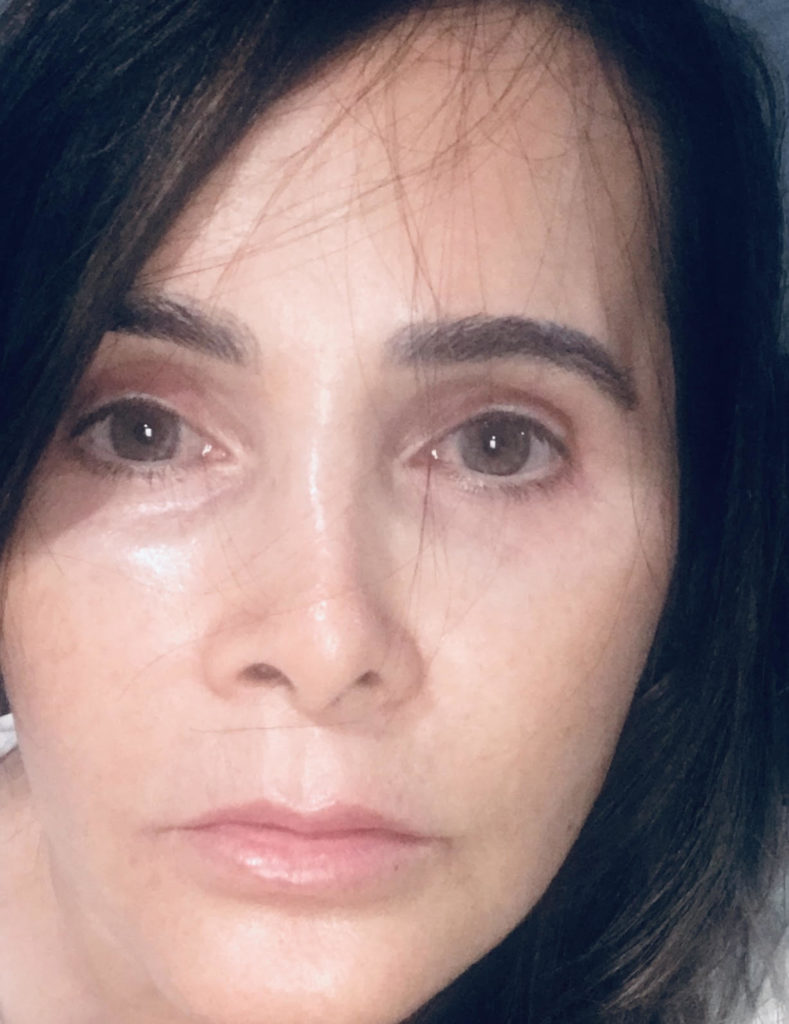
Liquid sugar falls down my tongue, numbing my taste buds. Sweet waves of flavour crash against my cheeks, sending colourful relish into my throat. Bitter drinks stain my decayed teeth caramel brown. Stomachs expand, blood drowns an ugly smile as I choke on false dentures. I stare at the empty can of a person. I think, taste the feeling
Oliver Loch is a twenty-three-year-old writer, currently working on a MA Honours degree at Swansea University. Originally from Cardiff, the capital of Wales, in the United Kingdom. His university work keeps him busy, but he always has his own unique way of addressing different creative projects. Last year, Oliver passed his BA honours degree in Creative Writing with a 2:1. Oliver continues to work hard at his current degree with many future publications to come.
There is no consolation like the enjoyment of music, no greater cause for selfishness, no better balm for the failure of family than to break time; remember, draw the sun into the sea, forgo the bitter business of seasons, abandon all other appetites but to listen with a handful of borrowed dollars to the ice cream truck play its tinny calliope tune as it glides the seething summer streets—we were kids. Happiness was easy.
Aleksander Zywicki is a first-year MFA candidate at The New School. He teaches AP English Literature in Bayonne, New Jersey. He lives & writes in Jersey City.
my grandmother, who, according to the family, didn’t understand, nor speak english, would gingerly announce, “olga is bad, very bad.” what is having a “command” or a language? a command is only an utterance of force. most important feelings and thoughts are expressed in sentences of five words or less. simple. exact. straight to the puncture. a gauge. when learning a new language it’s as though speaking into a telephone for the first time, hoping the voice transmits some sorts of meaning. practicing what and how one will say the intended phrase. over and over. it feels as though speaking into a void—hoping what comes out, holds body, holds shape. when the answer is received, it is blurred noise. a mumble. as though all the words were swallowed up by the world. when learning a new language, it is like speaking with one’s own self. when learning a new language, it is like screaming onto a well. into a wall. to find an echo, feedback. deflecting back sounds familiar. screaming again, hoping for the echo to return. with words in the form of tests, pass codes. only to reach a laberinto de mas palabras y mas codigos. where mass has no shape nor form. far reaching and boundless; amorphous beings. all of the places i once loved, lived, and remembered become one. extended through memorial space resembling one another. i dream of long winter nights. the ones in which the demons are out. relearning to be alone. only me and the broken pomegranate juice running down my hands. sticky mess all over the written pages. reconstructing language. its sticky, messy juices seeping through the cracks of my pores. maggie nelson says language is innately commanding. she read this in a book by barthes. i seek home within language. but all language seems obsolete.
Born in Kiev, Ukraine, Olga works within the mediums of photography, text, and installation. Her focus is on memory, home, (dis)place, language, inheritance/loss and the disruptive. She currently resides in Olympia, WA, where she co-founded and co- curates Desuetude gallery.
a town so brown in tint, it feels gray. graying with the dying sun of winter.
disruptions pass through as trains.
foolishly, i forget that omens brush up against cheeks and skin as reminders, factors of existence.
you aren’t only a shadow.
you are in chicago. a placeholder of my love, mischievous and tall. abandoned, as it was growing; retching postures onto pavement.
i hope to approach from a return. again.
you find bits of me there. scattered about the sidewalks, and the rainbo room.
in a gas station bathroom behind a stall somewhere in the desert, someone of the maternal, beseeches a son to pee on his own.
i think of you as child.
your adolescence and infancy, with mom, dad aji granny.
supporting roles and protagonists of a childhood of marble mornings.
kitchadi smothered in mouth. warmth through blending of of fats and turmeric.
an avenue to reconnection. love’s conduit.
i wanted to kiss you, on the forehead on the stomach. eyelids. embracing all of you.
protective.
scooping up all in my arms.
your essence breathing. like a chest rises and falls.
in the shrill delicacy of dawn… the strained winter sun.
Born in Kiev, Ukraine, Olga works within the mediums of photography, text, and installation. Her focus is on memory, home, (dis)place, language, inheritance/loss and the disruptive. She currently resides in Olympia, WA, where she co-founded and co- curates Desuetude gallery.
oyster on the shore, now a shell. a flash descends, descendants, iridescence, like a hummingbird. sand and water hold the sky soft while the sun lets itself out.
– it was so bad that pig. it was eating the chicks. i saw it. sitting on the porch, i saw the hen come walking there, and then the line of chicks following. then the mouth – a pinching motion with the hand.
a pearl, that coy self-image, floats over kelp forest conversion. surgeon fish swarm like a choir. a choral coral, the song proceeds.
– i’d be looking out the door and see this great commotion as the chickens came squawking into view, the pig, so gory and charging, just behind. that night, i told my husband that he had to kill this pig, but he just laughed it off. i was enraged. the third time it happened i couldn’t control myself my husband and my sons were out on the boats so i went to the kitchen grabbed the knife and slit the animal’s throat myself –
the image depicts forefinger and thumb stretching, transposed to the chest, rigid as autopsy as illustration as memory, towards koi fish, algal sunlight, a sea taste.
– and there was blood. my hands were covered in the blood but i was calm. i rinsed it off the knife, and went across the road to knock on hector’s door. he saw my hands, and went then running on to town. of course, the cleaning wasn’t easy, but we had meat for my son’s wedding, and that’s even after trading half for two new piglets. you can’t let them, the pigs, eat your fish or chicken scraps. that is the rule. that’s how they get the taste –
the crash and rumble, white foam and wrack, then the brief, anticipatory silence. something forgotten and then remembered in a perfectly wrong moment.
– i cleared the cliffs and built the restaurant, all by myself, with simple tools.
i pushed the boulders off into the waves –
bending glass, the wall crests
gauze shrouds and tree branches corrugate the roof. some things are particular and sharp
turtle eggs, ceramic pans against azure walls, black shells, a crystal cup glinting in the damp sun. a crust to break
Sage Bard Gilbert is pursuing an MA in Literary Studies at the University of Denver and has received a Fulbright Award to study in Chile in 2020. As an undergraduate at the University of Denver, he received the English Department’s Olna Fant Cook Award and the Environmental Science Program Award. He hopes to make a soup sometime later this year.
these hands. these hands were never made for writing. harvesting. digging. plowing. grasping mounds of calluses. these hands. these hard-won hands. grasping, disquiet hands are my ancestral gifts. family heirlooms passed down from other butter hands. hands which flipped blini made of lace. the hands which skinned potatoes for every dish of every meal. the hands which dug fields. the hands which didn’t catch the stranger’s newborn minutes after the revolution. the hands of embroidery and knitting. sculpting objects of prolonged yarn; only fit for a trail of one’s return. the hands which grazed other women and god’s saints. the hands which picked cucumbers from fields, lifted glasses of vodka to one’s lips. hands piloting helicopters. the hands which overdressed me into woolen layers in the spring. the hands passed down to me worked in murmansk, the former leningrad, and what is now moldova. the hands which photographed a bear in the wild, resembling not a bear, but a stain, a smudge. the hands which firmly clutched a book. held on to the subway railing, refusing to sit down. these hands were never meant for writing. these hands are relative.
Born in Kiev, Ukraine, Olga works within the mediums of photography, text, and installation. Her focus is on memory, home, (dis)place, language, inheritance/loss and the disruptive. She currently resides in Olympia, WA, where she co-founded and co- curates Desuetude gallery.
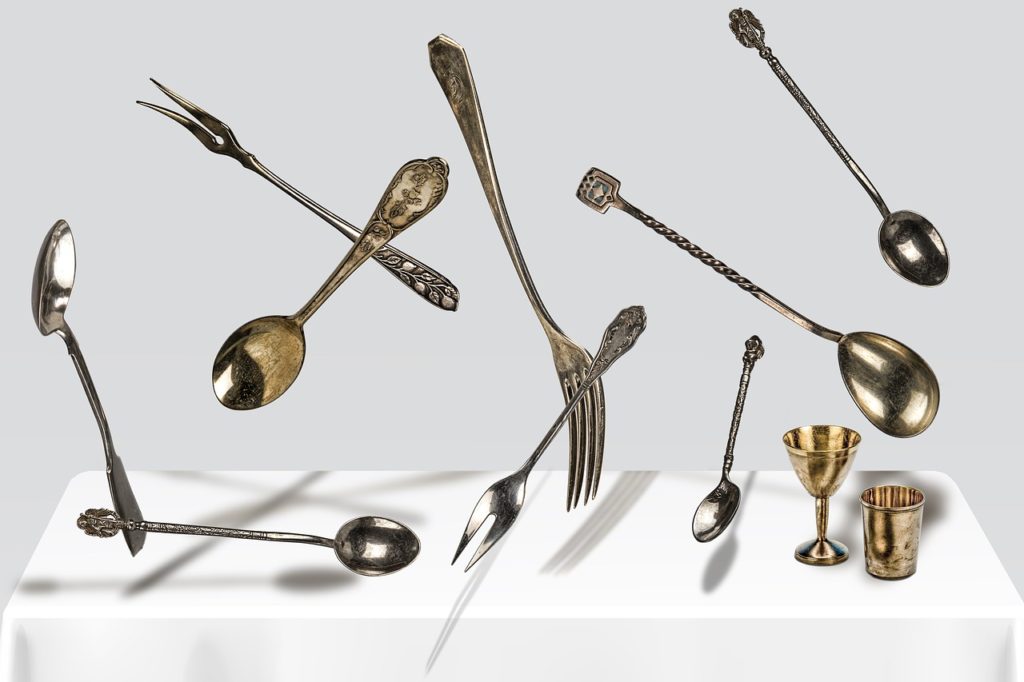
I have an affinity for things that cannot hold my weight, as if I crave to sit soundly in the bowl of a spoon. It cannot be just any spoon, it would have to be a silver spoon on a cloth napkin, at the table of a stranger— but not just any stranger. It would have to be a stranger I could love serenely. But love from a stranger cannot be bought without the proper currency; it must be one that can hold its own weight. Though this goes against my devices, like the fruits that yield good fortune by which I mean to say the spoon that feeds love to a stranger must be brought about by something that has an affinity for good taste. A piece of fruit, heavy in the bowl of a spoon at the table of a stranger, is unable to find an affinity for good taste, static with ineptitude like the gift of serenity as a currency glued to a cloth napkin and waiting to lose what nags at the cusp of hunger.
Jessalyn Johnson is a writer living in Brooklyn, New York. She received a bachelor’s degree in English Literature from Grand Canyon University and currently attends The New School’s creative writing MFA program. Her work is featured in Maudlin House, Soft Cartel, and Barren Magazine, among others. Follow her on Twitter @jessalyn451 and Instagram @jessalynjohnson or visit her at jessalynjohnson.com
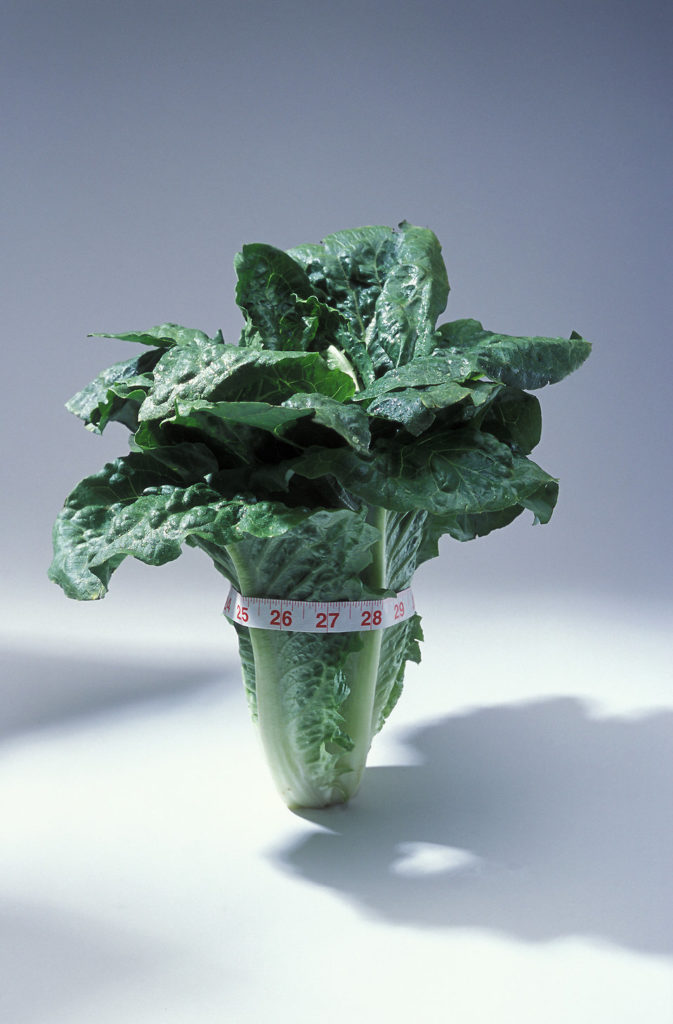
Put away the unread messages & unopened drinks & can openers that you’ll never use in drawers next to chutneys bubble-wrapped from India & that one gifted chopstick that lost its second half. Lift your lettuce high & look underneath the glass for signs of rot. Make chai on an open stove, heat the milk, do not let it bubble over, spill, & leave its curdled skin curling in each room corner. Finish your sentences like spinach. Remember that once, you wore sandals, & were happiest lying to your family in a different tongue, & woke with your dreams & your parents’ in perfect synchrony: like the model universe they hung above your cradle, blessing you to use whatever tricks hung within your belly to eat the watching stars.
Disha Trivedi currently divides her time between New Zealand and Northern California. She graduated from Harvard College with a degree in biology. Her poetry has been published in The Big Windows Review, Rogue Agent, and elsewhere. Her prose has been published in The Women’s Issue, an anthology curated by the Harvard Advocate.
the breeze atones my skin. handing me goose bumps as goodbyes. piel de gallina. мурашки.
anxiety dreams, running towards a search for all which i don’t allow for myself;
self-evident and envious, troubleshooting the coastal salt glands pores filled with sand. eventually becoming a cascara— a shell, a casket, armor. a protective mechanism for the body. a body beat into the ground, breathing.
i am good. i promise. only so maimed by something i can barely utter accurately, to resemble anything of the truths left behind on the train platform of the afternoon elektrichka.
stiff hot smell of human, carvings in ancient seats. bent women hold crops flowers, branches apples, plums, pears, onions, tomatoes laid in buckets, plastic bags, wrapped in newspapers.
newspaper available forever, wide circulating and morphing. extant pieces of an era. yellowing edges, marking the center of the social sphere.
the social heart beating to the rhythm of the train.
un ciego a blind man plays an accordion, walking on from trailing cars. the elektrichka sways along the timeless sound.
his hands swollen. press the instrument. (we don’t understand why the scarcity of such realties avoids our eyes)
i am warm on the steps in the desert next to a starbucks.
dusk was when we arrived, beautiful, awaited dusk.
Born in Kiev, Ukraine, Olga works within the mediums of photography, text, and installation. Her focus is on memory, home, (dis)place, language, inheritance/loss and the disruptive. She currently resides in Olympia, WA, where she co-founded and co- curates Desuetude gallery.
It’s not unusual to talk about food at our family reunions. It’s not unusual to complain about the ingredients we need and cannot get here, in order to prepare that recipe we are craving. To fulfill this craving is to honor who we are and where we came from. To make a good ceviche, we say, we need tiger shrimp. Arroz con leche must have real cinnamon sticks, coconut for a delicious flan, ciruelas for bread pudding, sapote for sapote syrup.
We eat until our mouths become lazy from all the chewing, and when we talk we always head back to childhood. Bread—in all of its varieties and occasions—is always mentioned. There is nothing better than the early evening snack we walked to buy at the baker’s.
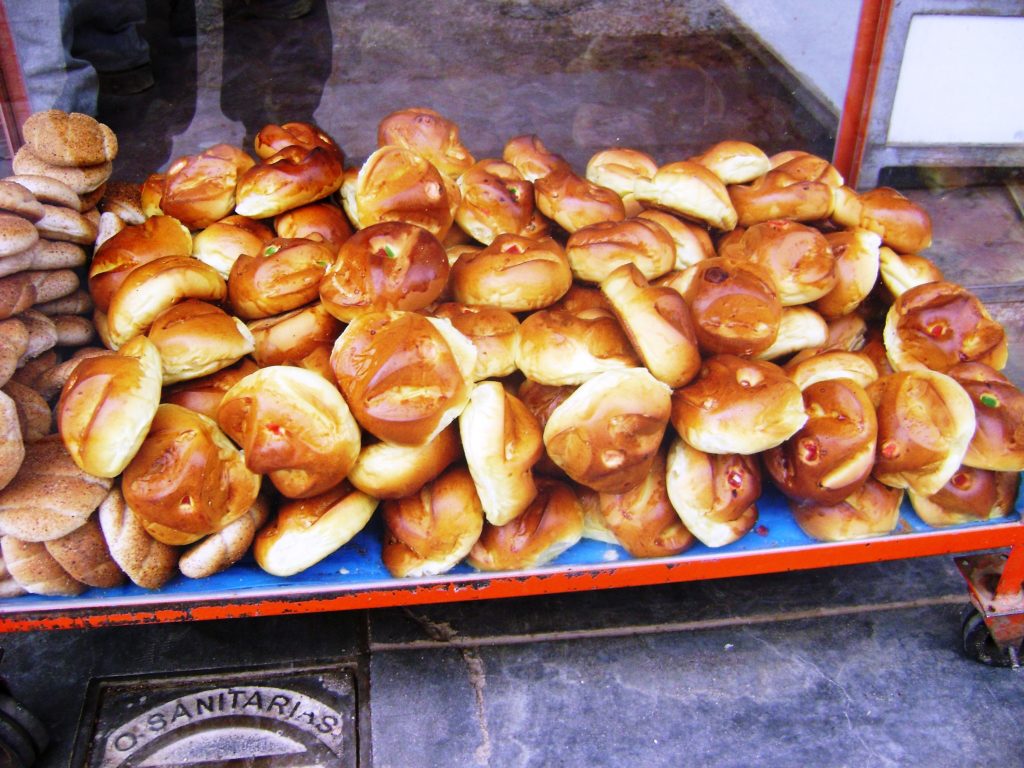
He owned a store on the main boulevard, with a nice window and a rattan basket on the counter full of old bread, baked in the morning, that people could take for free. The evening bread meant our homework was already done, meant picking up our friends on the way there. It meant crossing that busy boulevard and my mother’s voice caught between the door’s screech and the serene—look both ways! It meant the 6:30 wind would come, offering relief and the scent of peace, and fresh evening bread you could smell a block away.
Sometimes we arrived just as La Panadería was opening for the afternoon shift and got to see the iron front as it went up and let out the smell of rising yeast. They called the round, brown bread with yellow squares on top cara sucias.
Our job was to bring back two bags full of different kinds of breads: cachitos, what we call croissants, and palanquetas, our version of Italian bread, for sandwiches. Every Friday we walked to my mother’s cousin’s house, where the adults gathered to play poker. We took all of the bread we purchased that afternoon, and my parents brought along a bottle of Rum San Miguel.
All of us kids loved their place. It was a tall house with an open terrace off which long verbena leaves hung. When we approached the house before sundown, their yellow centers appeared to us as feeding bees. After midnight, light bulbs. The house had three floors and a black, iron spiral staircase that served as a spinal cord uniting the three floors.
While the adults played, we were in the next room with our second cousins. We often drank so much Coca-Cola our voices were louder than the game. There were eight of us in total and us younger ones played as if we were in a distant field, though our voices gave us away during hide-and-seek.
At midnight came the snacks, three slices of mortadella, two slices of cheese, on sandwiches with lettuce and tomatoes held by buttery toasted bread. Light bouncing back from our faces as we sat in circle. As we walked home, in the dark, my mother’s tipsy laugh was a cascade. Anything made her giggle or laugh. I could hear her heels as we took shortcuts through cobblestone streets. The elegance of their parental step, as they held hands and walked ahead of us. My father was her best friend, always laughing with her. Their stride started and stopped in sync; their outlines our point of reference.
We couldn’t have imagined that just a few years later we would be separated from our parents, that they would come to New York for some scrappy survival and we would stay behind. They were so far from the cobblestone streets on the way to my cousins, far from our two-story house near the baker—who for years sent his regards to my absent parents, as did the butcher, and the neighbors who put their own letters inside of the ones we sent to them.
Our first week in New York, we took great joy in food shopping. We had shifts for pushing the shopping cart as we rode the aisles. Our eyes took inventory of everything we would like to taste. All five of us followed our parents past the shiny cellophane-wrapped candy. We wanted big bags of anything. We had not walked as a pack for many years.
Standing by the fruit section, under the lights, someone asked my sister if the mango in her hand
was ripe. This was not the same mango we ate at home. This mango was bigger and greener, ours was yellow and small. To eat it you peeled it with your hands, took it to your mouth, let the juices run their way to your forearm. My sister couldn’t say so she shrugged her shoulders. Soon, we learned to pick from the pile, looking for signs of maturity. A red shadow appearing at the bottom, an intense yellow on one side, and finally, squeeze hard with one hand.
Silvia Bonilla holds an MFA in poetry from the New School. Her work has been featured in/is forthcoming from Pittsburgh Journal, Green Mountains Review, Rhino, Reed Magazine, Cream City Review, and Pen&Brush, among others. She has received scholarships from the Vermont College of Fine Arts, Colgate Writers Conference, and The Frost Place. She recently received a Fellowship from The Saltonstall Foundation for the Arts. You can find her at: https://www.bonillasilvia.com/about.html